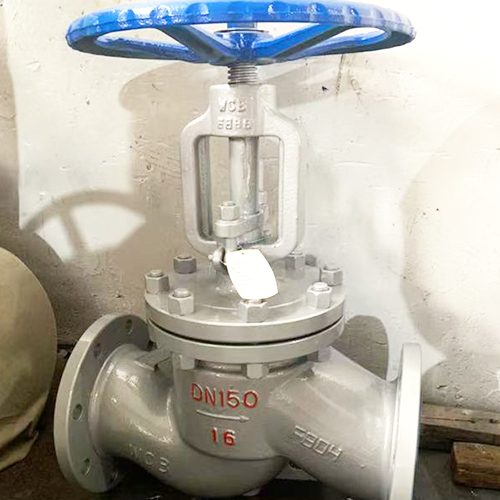
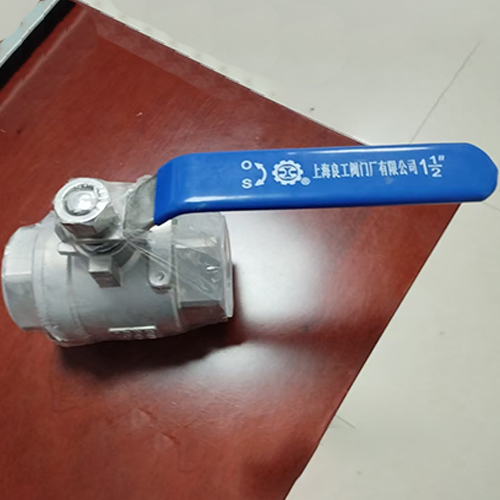
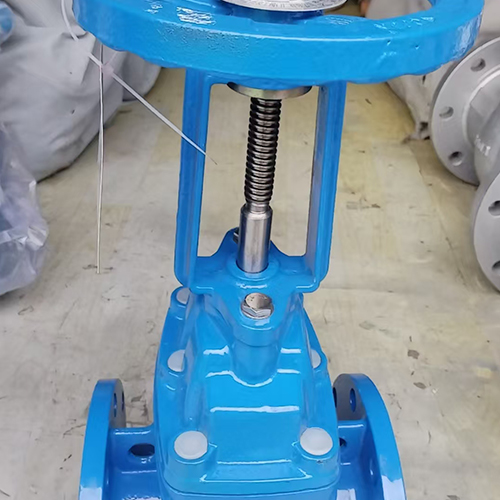
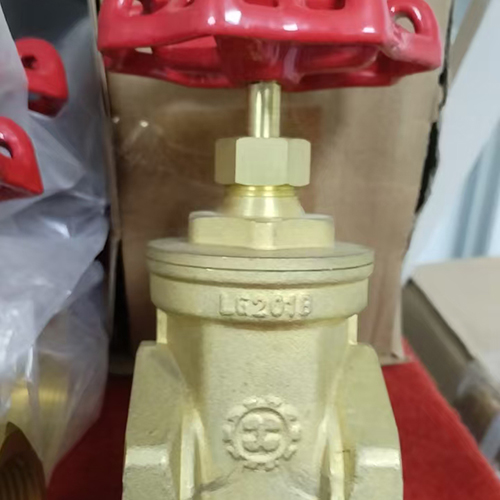
在流體管道系統(tǒng)中,閥門(mén)是控制元件,其主要作用是隔離設(shè)備和管道系統(tǒng)、調(diào)節(jié)流量、防止回流、調(diào)節(jié)和排泄壓力。閥門(mén)可用于控制空氣、水、蒸汽、各種腐蝕性介質(zhì)、泥漿、油品、液態(tài)金屬和放射性介質(zhì)等各種類(lèi)型流體的流動(dòng)。由于管道系統(tǒng)選擇最適合的閥門(mén)顯得非常重要,所以,了解閥門(mén)的特性及選擇閥門(mén)的步驟和依據(jù)也變得至關(guān)重要起來(lái)。
In fluid pipeline systems, valves are control components whose main functions are to isolate equipment and pipeline systems, regulate flow, prevent backflow, and regulate and discharge pressure. Valves can be used to control the flow of various types of fluids such as air, water, steam, various corrosive media, mud, oil, liquid metals, and radioactive media. Due to the importance of selecting the most suitable valve for pipeline systems, understanding the characteristics of valves and the steps and criteria for selecting valves have become crucial.
閥門(mén)的分類(lèi)一、閥門(mén)總的可分兩大類(lèi):第一類(lèi)自動(dòng)閥門(mén):依靠介質(zhì)(液體、氣體)本身的能力而自行動(dòng)作的閥門(mén)。如止回閥、安全閥、調(diào)節(jié)閥、疏水閥、減壓閥等。第二類(lèi)驅(qū)動(dòng)閥門(mén):借助手動(dòng)、電動(dòng)、液動(dòng)、氣動(dòng)來(lái)操縱動(dòng)作的閥門(mén)。如閘閥,截止閥、節(jié)流閥、蝶閥、球閥、旋塞閥等。
Classification of Valves 1. Valves can generally be divided into two categories: the first category is automatic valves: valves that operate independently based on the ability of the medium (liquid, gas) itself. Such as check valves, safety valves, regulating valves, drain valves, pressure reducing valves, etc. The second type of driven valve: a valve that is operated manually, electrically, hydraulically, or pneumatically. Such as gate valves, globe valves, throttle valves, butterfly valves, ball valves, plug valves, etc.
二、按結(jié)構(gòu)特征,根據(jù)關(guān)閉件相對(duì)于閥座移動(dòng)的方向可分:
2、 According to the structural characteristics, it can be divided into:
1.截門(mén)形:關(guān)閉件沿著閥座中心移動(dòng);
1. Truncated shape: The closing component moves along the center of the valve seat;
2.閘門(mén)形:關(guān)閉件沿著垂直閥座中心移動(dòng);
2. Gate shaped: The closing component moves along the center of the vertical valve seat;
3.旋塞和球形:關(guān)閉件是柱塞或球,圍繞本身的中心線旋轉(zhuǎn);
3. Plug and ball: The closing component is a plunger or ball that rotates around its own centerline;
4.旋啟形:關(guān)閉件圍繞閥座外的軸旋轉(zhuǎn);
4. Swing shape: The closing component rotates around the axis outside the valve seat;
5.碟形:關(guān)閉件的圓盤(pán),圍繞閥座內(nèi)的軸旋轉(zhuǎn);
5. Disc shape: a circular disc of a closure that rotates around the axis inside the valve seat;
6.滑閥形:關(guān)閉件在垂直于通道的方向滑動(dòng)。
6. Sliding valve shape: The closing element slides in a direction perpendicular to the channel.
三、按用途,根據(jù)閥門(mén)的不同用途可分:
3、 According to their different purposes, valves can be divided into:
1.開(kāi)斷用:用來(lái)接通或切斷管路介質(zhì),如截止閥、閘閥、球閥、蝶閥等。
1. Disconnecting function: used to connect or cut off pipeline media, such as globe valves, gate valves, ball valves, butterfly valves, etc.
2.止回用:用來(lái)防止介質(zhì)倒流,如止回閥。
2. Check valve: used to prevent medium backflow, such as a check valve.
3.調(diào)節(jié)用:用來(lái)調(diào)節(jié)介質(zhì)的壓力和流量,如調(diào)節(jié)閥、減壓閥。
3. Regulating: Used to regulate the pressure and flow rate of the medium, such as regulating valves and pressure reducing valves.
4.分配用:用來(lái)改變介質(zhì)流向、分配介質(zhì),如三通旋塞、分配閥、滑閥等。
4. Distribution: Used to change the flow direction and distribute media, such as three-way plugs, distribution valves, slide valves, etc.
5.安全閥:在介質(zhì)壓力超過(guò)規(guī)定值時(shí),用來(lái)排放多余的介質(zhì),保證管路系統(tǒng)及設(shè)備安全,如安全閥、事故閥。
5. Safety valve: Used to discharge excess medium when the medium pressure exceeds the specified value, ensuring the safety of pipeline systems and equipment, such as safety valves and emergency valves.
6.其他特殊用途:如疏水閥、放空閥、排污閥等。
6. Other special purposes: such as drain valves, vent valves, drain valves, etc.
四、按驅(qū)動(dòng)方式,根據(jù)不同的驅(qū)動(dòng)方式可分:
4、 According to the driving method, it can be divided into:
1.手動(dòng):借助手輪、手柄、杠桿或鏈輪等,有人力驅(qū)動(dòng),傳動(dòng)較大力矩時(shí)裝有蝸輪、齒輪等減速裝置。
1. Manual: With the help of a handwheel, handle, lever, or sprocket, it is manually driven and equipped with reduction devices such as worm gears and gears when transmitting large torque.
2.電動(dòng):借助電機(jī)或其他電氣裝置來(lái)驅(qū)動(dòng)。
2. Electric: driven by a motor or other electrical device.
3.液動(dòng):借助(水、油)來(lái)驅(qū)動(dòng)。
3. Hydraulic: driven by (water, oil).
4.氣動(dòng):借助壓縮空氣來(lái)驅(qū)動(dòng)。
4. Pneumatic: driven by compressed air.
五、按壓力,根據(jù)閥門(mén)的公稱(chēng)壓力可分:
5、 According to the nominal pressure of the valve, it can be divided into:
1.真空閥:絕對(duì)壓力<0.1Mpa 即 760mm 汞柱高的閥門(mén),通常用 mm 汞柱或mm水柱表示壓力。
1. Vacuum valve: A valve with an absolute pressure<0.1Mpa, which is 760mm mercury column high, usually expressed in mm mercury column or mm water column to indicate pressure.
2.低壓閥:公稱(chēng)壓力 PN≤1.6Mpa 的閥門(mén)(包括 PN≤1.6MPa 的鋼閥)
2. Low pressure valve: valves with nominal pressure PN ≤ 1.6Mpa (including steel valves with PN ≤ 1.6MPa)
3.中壓閥:公稱(chēng)壓力 PN2.5—6.4MPa 的閥門(mén)。
3. Medium pressure valve: a valve with a nominal pressure of PN2.5-6.4MPa.
4.高壓閥:公稱(chēng)壓力 PN10.0—80.0MPa 的閥門(mén)。5.超高壓閥:公稱(chēng)壓力 PN≥100.0MPa 的閥門(mén)。
4. High pressure valve: a valve with a nominal pressure of PN10.0-80.0MPa. 5. Ultra high pressure valve: a valve with a nominal pressure PN ≥ 100.0MPa.
六、按介質(zhì)的溫度分,根據(jù)閥門(mén)工作時(shí)的介質(zhì)溫度可分:
6、 According to the temperature of the medium, it can be divided into:
1.普通閥門(mén):適用于介質(zhì)溫度-40℃~425℃的閥門(mén)。
1. Ordinary valve: suitable for valves with medium temperatures ranging from -40 ℃ to 425 ℃.
2.高溫閥門(mén):適用于介質(zhì)溫度 425℃~600℃的閥門(mén)。
2. High temperature valve: suitable for valves with medium temperatures ranging from 425 ℃ to 600 ℃.
3.耐熱閥門(mén):適用于介質(zhì)溫度 600℃以上的閥門(mén)。
3. Heat resistant valve: Suitable for valves with medium temperatures above 600 ℃.
4.低溫閥門(mén):適用于介質(zhì)溫度-150℃~ -40℃的閥門(mén)。
4. Low temperature valve: Suitable for valves with medium temperatures ranging from -150 ℃ to -40 ℃.
5.超低溫閥門(mén):適用于介質(zhì)溫度-150℃以下的閥門(mén)。
5. Ultra low temperature valve: suitable for valves with medium temperatures below -150 ℃.
七、按公稱(chēng)通徑分,根據(jù)閥門(mén)的公稱(chēng)通徑可分:
7、 According to the nominal diameter, valves can be divided into:
1.小口徑閥門(mén):公稱(chēng)通徑 DN<40mm 的閥門(mén)。
1. Small caliber valves: valves with a nominal diameter of DN<40mm.
2.中口徑閥門(mén):公稱(chēng)通徑 DN50~300mm 的閥門(mén)。
2. Medium caliber valves: valves with a nominal diameter of DN50-300mm.
3.大口徑閥門(mén):公稱(chēng)通徑 DN350~1200mm 的閥門(mén)。
3. Large caliber valves: valves with a nominal diameter of DN350-1200mm.
4.特大口徑閥門(mén):公稱(chēng)通徑 DN≥1400mm 的閥門(mén)。
4. Extra large caliber valves: valves with a nominal diameter DN ≥ 1400mm.
八、按與管道連接方式分,根據(jù)閥門(mén)與管道連接方式可分:
8、 According to the connection method with the pipeline, it can be divided into:
1.法蘭連接閥門(mén):閥體帶有法蘭,與管道采用法蘭連接的閥門(mén)。
1. Flange connected valve: The valve body is equipped with a flange and is connected to the pipeline using a flange.
2.螺紋連接閥門(mén):閥體帶有內(nèi)螺紋或外螺紋,與管道采用螺紋連接的閥門(mén)。
2. Threaded connection valve: The valve body has internal or external threads and is connected to the pipeline using threads.
3.焊接連接閥門(mén):閥體帶有焊口,與管道采用焊接連接的閥門(mén)。
3. Welded connection valve: The valve body has a welded joint and is connected to the pipeline by welding.
4.夾箍連接閥門(mén):閥體上帶有夾口,與管道采用夾箍連接的閥門(mén)。
4. Clamp connected valve: The valve body has a clamp mouth and is connected to the pipeline using clamps.
5.卡套連接閥門(mén):采用卡套與管道連接的閥門(mén)。
5. Card sleeve connected valve: a valve that uses a card sleeve to connect to the pipeline.
閥門(mén)的特性閥門(mén)的特性一般有兩種,使用特性和結(jié)構(gòu)特性。使用特性:它確定了閥門(mén)的主要使用性能和使用范圍,屬于閥門(mén)使用特性的有:閥門(mén)的類(lèi)別(閉路閥門(mén)、調(diào)節(jié)閥門(mén)、安全閥門(mén)等);產(chǎn)品類(lèi)型(閘閥、截止閥、蝶閥、球閥等);閥門(mén)主要零件(閥體、閥蓋、閥桿、閥瓣、密封面)的材料;閥門(mén)傳動(dòng)方式等。結(jié)構(gòu)特性:它確定了閥門(mén)的安裝、維修、保養(yǎng)等方法的一些結(jié)構(gòu)特性,屬于結(jié)構(gòu)特性的有:閥門(mén)的結(jié)構(gòu)長(zhǎng)度和總體高度、與管道的連接形式(法蘭連接、螺紋連接、夾箍連接、外螺紋連接、焊接端連接等);密封面的形式(鑲?cè)Α⒙菁y圈、堆焊、噴焊、閥體本體);閥桿結(jié)構(gòu)形式(旋轉(zhuǎn)桿、升降桿)等。
The characteristics of valves generally have two types: usage characteristics and structural characteristics. Usage characteristics: It determines the main performance and scope of use of the valve. Valve usage characteristics include: valve category (closed circuit valve, regulating valve, safety valve, etc.); Product type (gate valve, globe valve, butterfly valve, ball valve, etc.); The materials of the main components of the valve (valve body, valve cover, valve stem, valve disc, sealing surface); Valve transmission mode, etc. Structural characteristics: It determines some structural characteristics of the installation, maintenance, and upkeep methods of the valve, including the structural length and overall height of the valve, and the connection form with the pipeline (flange connection, threaded connection, clamp connection, external threaded connection, welded end connection, etc.); Form of sealing surface (insert ring, threaded ring, overlay welding, spray welding, valve body); Valve stem structure forms (rotating rod, lifting rod), etc.
選擇閥門(mén)的步驟和依據(jù)選擇步驟:
Steps and criteria for selecting valves:
1、明確閥門(mén)在設(shè)備或裝置中的用途,確定閥門(mén)的工作條件:適用介質(zhì)、工作壓力、工作溫度等等。
1. Clarify the purpose of the valve in the equipment or device, determine the working conditions of the valve: applicable medium, working pressure, working temperature, etc.
2、確定與閥門(mén)連接管道的公稱(chēng)通徑和連接方式:法蘭、螺紋、焊接等。
2. Determine the nominal diameter and connection method of the pipeline connected to the valve: flange, thread, welding, etc.
3、確定操作閥門(mén)的方式:手動(dòng)、電動(dòng)、電磁、氣動(dòng)或液動(dòng)、電氣聯(lián)動(dòng)或電液聯(lián)動(dòng)等。
3. Determine the method of operating the valve: manual, electric, electromagnetic, pneumatic or hydraulic, electrical linkage or electro-hydraulic linkage, etc.
4、根據(jù)管線輸送的介質(zhì)、工作壓力、工作溫度確定所選閥門(mén)的殼體和內(nèi)件的材料:灰鑄鐵、可鍛鑄鐵、球墨鑄鐵、碳素鋼、合金鋼、不銹耐酸鋼、銅合金等。
4. Determine the materials for the shell and internal components of the selected valve based on the medium transported by the pipeline, working pressure, and working temperature: gray cast iron, malleable cast iron, ductile iron, carbon steel, alloy steel, stainless acid resistant steel, copper alloy, etc.
5、選擇閥門(mén)的種類(lèi):閉路閥門(mén)、調(diào)節(jié)閥門(mén)、安全閥門(mén)等。
5. Choose the type of valve: closed-circuit valve, regulating valve, safety valve, etc.
6、確定閥門(mén)的型式:閘閥、截止閥、球閥、蝶閥、節(jié)流閥、安全閥、減壓閥、蒸汽疏水閥等。
6. Determine the type of valve: gate valve, globe valve, ball valve, butterfly valve, throttle valve, safety valve, pressure reducing valve, steam trap valve, etc.
7、確定閥門(mén)的參數(shù):對(duì)于自動(dòng)閥門(mén),根據(jù)不同需要先確定允許流阻、排放能力、背壓等,再確定管道的公稱(chēng)通徑和閥座孔的直徑。
7. Determine the parameters of the valve: For automatic valves, determine the allowable flow resistance, discharge capacity, back pressure, etc. according to different needs, and then determine the nominal diameter of the pipeline and the diameter of the valve seat hole.
8、確定所選用閥門(mén)的幾何參數(shù):結(jié)構(gòu)長(zhǎng)度、法蘭連接形式及尺寸、開(kāi)啟和關(guān)閉后閥門(mén)高度方向的尺寸、連接的螺栓孔尺寸和數(shù)量、整個(gè)閥門(mén)外型尺寸等。
8. Determine the geometric parameters of the selected valve: structural length, flange connection form and size, height direction size of the valve after opening and closing, size and quantity of bolt holes for connection, overall dimensions of the valve, etc.
9、利用現(xiàn)有的資料:閥門(mén)產(chǎn)品目錄、閥門(mén)產(chǎn)品樣本等選擇適當(dāng)?shù)拈y門(mén)產(chǎn)品。
9. Use existing materials such as valve product catalogs and valve product samples to select appropriate valve products.
選擇閥門(mén)的依據(jù):在了解掌握選擇閥門(mén)步驟的同時(shí),還應(yīng)進(jìn)一步了解選擇閥門(mén)的依據(jù)。
Basis for valve selection: While understanding and mastering the steps of valve selection, it is also necessary to further understand the basis for valve selection.
1、所選用閥門(mén)的用途、使用工況條件和操縱控制方式。
1. The purpose, operating conditions, and control mode of the selected valve.
2、工作介質(zhì)的性質(zhì):工作壓力、工作溫度、腐蝕性能,是否含有固體顆粒,介質(zhì)是否有毒,是否是易燃、易爆介質(zhì),介質(zhì)的黏度等等。
2. The properties of the working medium include working pressure, working temperature, corrosion performance, whether it contains solid particles, whether the medium is toxic, whether it is flammable or explosive, viscosity of the medium, and so on.
3、對(duì)閥門(mén)流體特性的要求:流阻、排放能力、流量特性、密封等級(jí)等等。
3. Requirements for valve fluid characteristics: flow resistance, discharge capacity, flow characteristics, sealing grade, etc.
4、安裝尺寸和外形尺寸要求:公稱(chēng)通徑、與管道的連接方式和連接尺寸、外形尺寸或重量限制等。
4. Installation dimensions and external dimensions requirements: nominal diameter, connection method and dimensions with the pipeline, external dimensions or weight limitations, etc.
5、對(duì)閥門(mén)產(chǎn)品的可靠性、使用壽命和電動(dòng)裝置的防爆性能等的附加要求。
5. Additional requirements for the reliability, service life, and explosion-proof performance of valve products and electric devices.
在選定參數(shù)時(shí)應(yīng)注意:如果閥門(mén)要用于控制目的,必須確定如下額外參數(shù):操作方法、最大和最小流量要求、正常流動(dòng)的壓力降、關(guān)閉時(shí)的壓力降、閥門(mén)的最大和最小進(jìn)口壓力。 根據(jù)上述選擇閥門(mén)的依據(jù)和步驟,合理、正確地選擇閥門(mén)時(shí)還必須對(duì)各種類(lèi)型閥門(mén)的內(nèi)部結(jié)構(gòu)進(jìn)行詳細(xì)了解,以便能對(duì)優(yōu)先選用的閥門(mén)做出正確的抉擇。管道的最終控制是閥門(mén)。閥門(mén)啟閉件控制著介質(zhì)在管道內(nèi)的流束方式,閥門(mén)流道的形狀使閥門(mén)具備一定的流量特性,在選擇管道系統(tǒng)最適合安裝的閥門(mén)時(shí)必須考慮到這一點(diǎn)。
When selecting parameters, it should be noted that if the valve is to be used for control purposes, the following additional parameters must be determined: operating method, maximum and minimum flow requirements, pressure drop for normal flow, pressure drop when closing, and maximum and minimum inlet pressure of the valve. According to the above criteria and steps for selecting valves, it is necessary to have a detailed understanding of the internal structure of various types of valves when selecting valves reasonably and correctly, so as to make the correct choice for the preferred valve. The ultimate control of pipelines is valves. The valve opening and closing components control the flow of the medium in the pipeline, and the shape of the valve channel gives the valve certain flow characteristics. This must be taken into account when selecting the most suitable valve for installation in the pipeline system.
選擇閥門(mén)應(yīng)遵循的原則1、截止和開(kāi)放介質(zhì)用的閥門(mén)流道為直通式的閥門(mén),其流阻較小,通常選擇作為截止和開(kāi)放介質(zhì)用的閥門(mén)。向下閉合式閥門(mén)(截止閥、柱塞閥)由于其流道曲折,流阻比其他閥門(mén)高,故較少選用。在允許有較高流阻的場(chǎng)合,可選用閉合式閥門(mén)。
Principles to be followed when selecting valves: 1. Valves used for shut-off and opening media should have straight through flow channels with low flow resistance, and are usually selected as valves for shut-off and opening media. Downward closing valves (globe valves, plunger valves) are less commonly used due to their tortuous flow paths and higher flow resistance compared to other valves. In situations where high flow resistance is allowed, closed valves can be used.
2、控制流量用的閥門(mén)通常選擇易于調(diào)節(jié)流量的閥門(mén)作為控制流量用。向下閉合式閥門(mén)(如截止閥)適于這一用途,因?yàn)樗拈y座尺寸與關(guān)閉件的行程之間成正比關(guān)系。旋轉(zhuǎn)式閥門(mén)(旋塞閥、蝶閥、球閥)和撓曲閥體式閥門(mén)(夾緊閥、隔膜閥)也可用于節(jié)流控制,但通常只能在有限的閥門(mén)口徑范圍內(nèi)適用。閘閥是以圓盤(pán)形閘板對(duì)圓形閥座口做橫切運(yùn)動(dòng),它只有在接近關(guān)閉位置時(shí),才能較好地控制流量,故通常不用于流量控制。
2. Valves used for controlling flow are usually chosen to be easy to adjust. A downward closing valve (such as a globe valve) is suitable for this purpose because its seat size is proportional to the stroke of the closing member. Rotary valves (plug valves, butterfly valves, ball valves) and flex valve body valves (clamp valves, diaphragm valves) can also be used for throttling control, but are usually only applicable within a limited range of valve diameters. Gate valve is a disc-shaped gate that performs transverse movement on a circular valve seat. It can only effectively control flow when approaching the closed position, so it is usually not used for flow control.
3、換向分流用的閥門(mén)根據(jù)換向分流的需要,這種閥門(mén)可有三個(gè)或更多的通道。旋塞閥和球閥較適用于這一目的,因此,大部分用于換向分流的閥門(mén)都選取這類(lèi)閥門(mén)中的一種。但是在有些情況下,其他類(lèi)型的閥門(mén),只要把兩個(gè)或更多個(gè)閥門(mén)適當(dāng)?shù)叵嗷ミB接起來(lái),也可作換向分流用。
3. The valve used for directional diversion can have three or more channels according to the needs of directional diversion. Plug valves and ball valves are more suitable for this purpose, therefore, most valves used for directional diversion choose one of these types of valves. However, in some cases, other types of valves can also be used for directional diversion as long as two or more valves are appropriately connected to each other.
4、帶有懸浮顆粒的介質(zhì)用閥門(mén)當(dāng)介質(zhì)中帶有懸浮顆粒時(shí),最適于采用其關(guān)閉件沿密封面的滑動(dòng)帶有擦拭作用的閥門(mén)。如果關(guān)閉件對(duì)閥座的來(lái)回運(yùn)動(dòng)是豎直的,那末就可能夾持顆粒,因此這種閥門(mén)除非密封面材料可以允許嵌入顆粒,否則只適用于基本清潔的介質(zhì)。球閥和旋塞閥在啟閉過(guò)程中對(duì)密封面均有擦拭作用,故適宜用在帶有懸浮顆粒的介質(zhì)中。
4. Valves for media with suspended particles are most suitable when the media contains suspended particles, and valves with sliding closure along the sealing surface and wiping function are most suitable. If the back and forth movement of the closure against the valve seat is vertical, it may clamp particles, so this type of valve is only suitable for basic clean media unless the sealing surface material allows particles to be embedded. Ball valves and plug valves have a wiping effect on the sealing surface during the opening and closing process, making them suitable for use in media with suspended particles.
閥門(mén)選型說(shuō)明
Valve selection instructions
1、閘閥的選型
1. Selection of Gate Valves
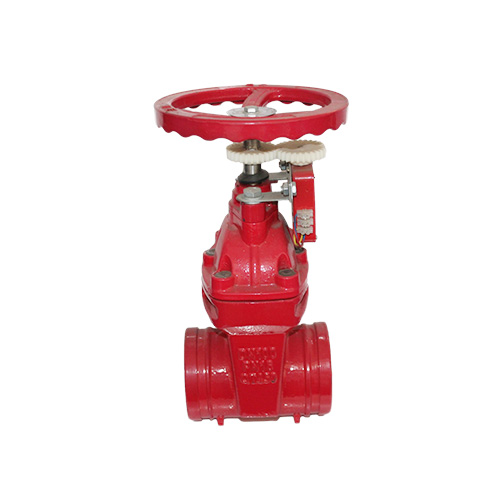
一般情況下,應(yīng)首選閘閥。閘閥除適用于蒸汽、油品等介質(zhì)外,還適用于含有粒狀固體及粘度較大的介質(zhì),并適用于放空和低真空系統(tǒng)的閥門(mén)。對(duì)帶有固體顆粒的介質(zhì),閘閥閥體上應(yīng)帶有一個(gè)或兩個(gè)吹掃孔。對(duì)低溫介質(zhì),應(yīng)選用低溫專(zhuān)用閘閥。
Generally, gate valves should be preferred. Gate valves are not only suitable for media such as steam and oil, but also for media containing granular solids and high viscosity, and are suitable for valves in venting and low vacuum systems. For media with solid particles, the gate valve body should have one or two blowdown holes. For low-temperature media, low-temperature dedicated gate valves should be selected.
2、 截止閥選型說(shuō)明
2. Selection instructions for globe valves
截止閥適用于對(duì)流體阻力要求不嚴(yán)的管路上,即對(duì)壓力損失考慮不大,以及高溫、高壓介質(zhì)的管路或裝置,適用于DN<200mm的蒸汽等介質(zhì)管道上;小型閥門(mén)可選用截止閥,如針形閥、儀表閥、取樣閥、壓力計(jì)閥等;截止閥有流量調(diào)節(jié)或壓力調(diào)節(jié),但對(duì)調(diào)節(jié)精度要求不高,而且管路直徑又比較小時(shí),宜選用截止閥或節(jié)流閥;對(duì)于劇毒介質(zhì),宜選用波紋管密封的截止閥;但截止閥不宜用于粘度較大的介質(zhì)和含有顆粒易沉淀的介質(zhì),也不宜作放空閥及低真空系統(tǒng)的閥門(mén)。
Globe valves are suitable for pipelines that do not have strict requirements for fluid resistance, that is, pipelines or devices that do not consider pressure loss, as well as high-temperature and high-pressure media. They are suitable for steam and other media pipelines with DN<200mm; Small valves can use globe valves, such as needle valves, instrument valves, sampling valves, pressure gauge valves, etc; Globe valves have flow regulation or pressure regulation, but do not require high regulation accuracy, and the pipeline diameter is relatively small. Globe valves or throttle valves should be selected; For highly toxic media, it is advisable to use bellows sealed globe valves; However, globe valves should not be used for media with high viscosity and media containing particles that are prone to precipitation, nor should they be used as vent valves or valves for low vacuum systems.
3、球閥選型說(shuō)明
3. Ball valve selection instructions
球閥適用于低溫、高壓、粘度大的介質(zhì)。大多數(shù)球閥可用于帶懸浮固體顆粒的介質(zhì)中,依據(jù)密封的材料要求也可用于粉狀和顆粒狀的介質(zhì);全通道球閥不適用于流量調(diào)節(jié),但適用于要求快速啟閉的場(chǎng)合,便于實(shí)現(xiàn)事故緊急切斷;通常在密封性能?chē)?yán)格、磨損、縮口通道、啟閉動(dòng)作迅速、高壓截止(壓差大)、低噪音、有氣化現(xiàn)象、操作力矩小、流體阻力小的管路中,推薦使用球閥;球閥適用于輕型結(jié)構(gòu)、低壓截止、腐蝕性介質(zhì)中;球閥還是低溫、深冷介質(zhì)的最理想閥門(mén),低溫介質(zhì)的管路系統(tǒng)和裝置上,宜選用加上閥蓋的低溫球閥;選用浮動(dòng)球球閥時(shí)其閥座材料應(yīng)承接球體和工作介質(zhì)的載荷,大口徑的球閥在操作時(shí)需要較大的力,DN≥200mm的球閥應(yīng)選用蝸輪傳動(dòng)形式;固定球球閥適用于較大口徑及壓力較高的場(chǎng)合;另外,用于工藝劇毒物料、可燃介質(zhì)管道的球閥,應(yīng)具有防火、防靜電結(jié)構(gòu)。
Ball valves are suitable for media with low temperature, high pressure, and high viscosity. Most ball valves can be used in media with suspended solid particles, and can also be used in powder and granular media depending on the sealing material requirements; Full channel ball valves are not suitable for flow regulation, but are suitable for situations that require quick opening and closing, making it easy to achieve emergency shutdown in case of accidents; Ball valves are recommended for pipelines with strict sealing performance, wear, constricted channels, rapid opening and closing actions, high pressure cutoff (large pressure difference), low noise, gasification phenomenon, low operating torque, and low fluid resistance; Ball valves are suitable for lightweight structures, low-pressure shut-off, and corrosive media; Ball valves are still the most ideal valves for low-temperature and cryogenic media. For pipeline systems and devices for low-temperature media, low-temperature ball valves with valve covers should be selected; When selecting a floating ball valve, its seat material should bear the load of the ball and working medium. Large diameter ball valves require greater force during operation, and ball valves with DN ≥ 200mm should use worm gear transmission; Fixed ball valves are suitable for larger diameters and high-pressure applications; In addition, ball valves used for the production of highly toxic materials and flammable medium pipelines should have fire-resistant and anti-static structures.
4、節(jié)流閥選型說(shuō)明
4. Selection instructions for throttle valve
節(jié)流閥適用于介質(zhì)溫度較低、壓力較高的場(chǎng)合,適用于需要調(diào)節(jié)流量和壓力的部位,不適用于粘度大和含有固體顆粒的介質(zhì),不宜作隔斷閥。
Throttle valves are suitable for situations where the medium temperature is low and the pressure is high. They are suitable for areas where flow and pressure need to be adjusted. They are not suitable for media with high viscosity and solid particles, and should not be used as block valves.
5、旋塞閥選型說(shuō)明
5. Selection Instructions for Plug Valves
旋塞閥適用于要求快速啟閉的場(chǎng)合,一般不適用于蒸汽及溫度較高的介質(zhì),用于溫度較低、粘度大的介質(zhì),也適用于帶懸浮顆粒的介質(zhì)。
Plug valves are suitable for situations that require quick opening and closing, and are generally not suitable for steam and high-temperature media. They are used for media with low temperature and high viscosity, and are also suitable for media with suspended particles.
6、蝶閥選型說(shuō)明
6. Butterfly valve selection instructions
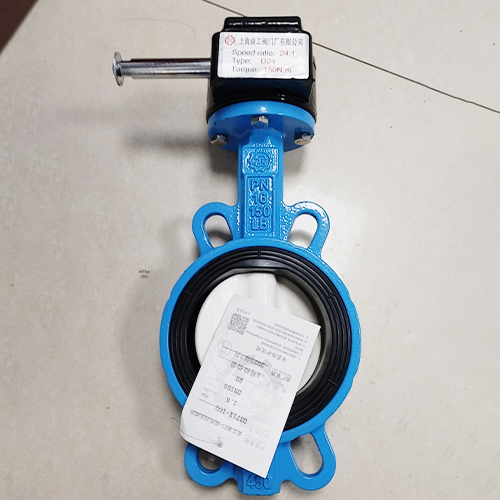
蝶閥適用于口徑較大(如DN﹥600mm)及結(jié)構(gòu)長(zhǎng)度要求短,以及需要進(jìn)行流量調(diào)節(jié)及啟閉要求快速的場(chǎng)合,一般用于溫度≤80℃、壓力≤1.0MPa的水、油品和壓縮空氣等介質(zhì);由于蝶閥相對(duì)于閘閥、球閥壓力損失比較大,故蝶閥適用于壓力損失要求不嚴(yán)的管路系統(tǒng)中。
Butterfly valves are suitable for larger diameters (such as DN>600mm), shorter structural length requirements, and situations that require flow regulation and quick opening and closing. They are generally used for media such as water, oil, and compressed air with temperatures ≤ 80 ℃ and pressures ≤ 1.0MPa; Due to the relatively large pressure loss of butterfly valves compared to gate valves and ball valves, butterfly valves are suitable for pipeline systems with less stringent pressure loss requirements.
7、止回閥選型說(shuō)明
7. Selection instructions for check valves
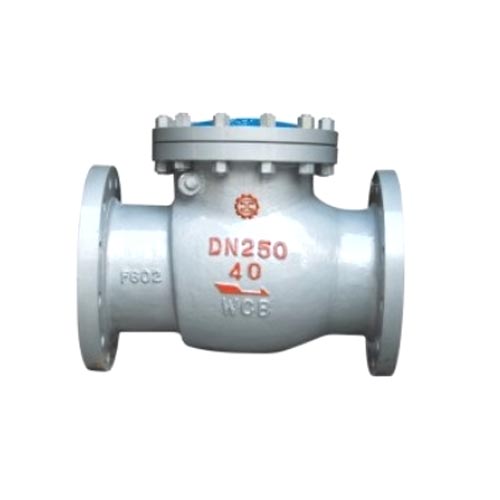
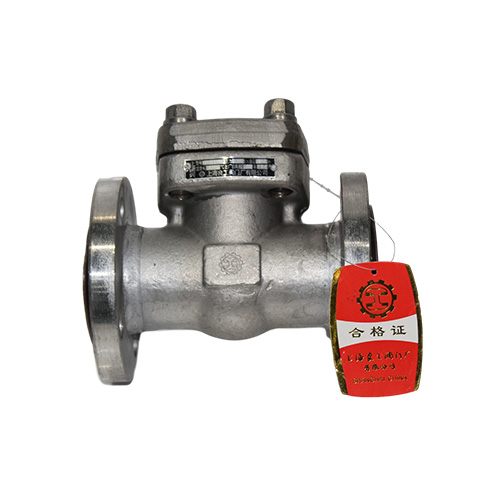
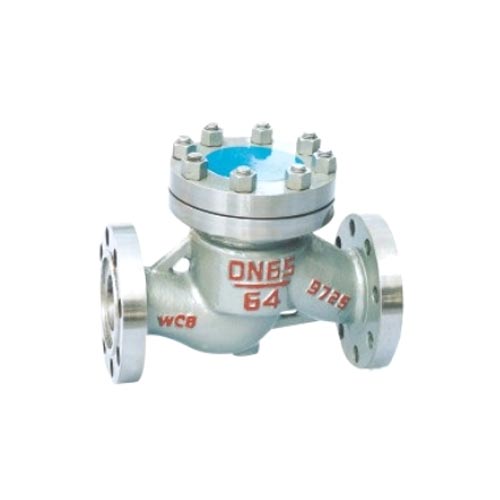
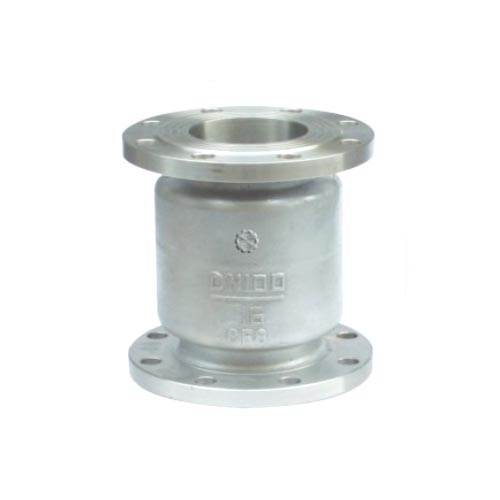
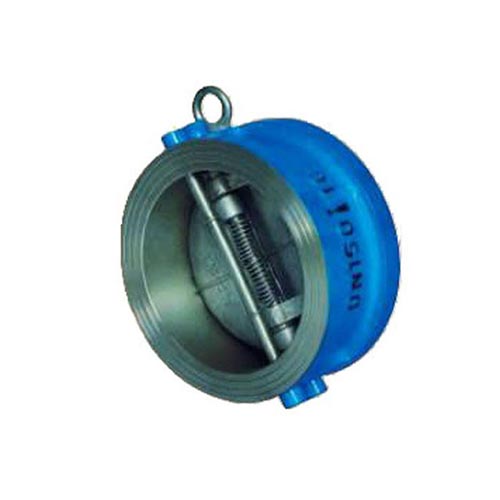
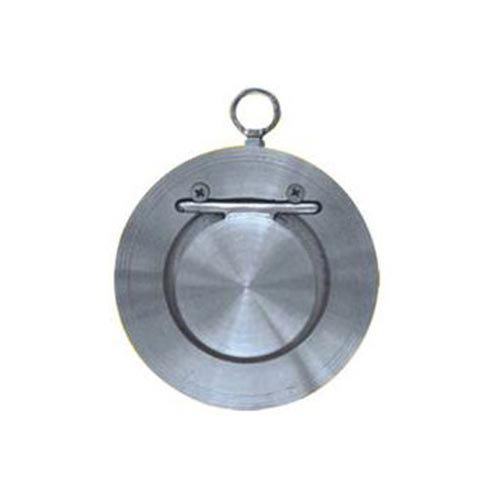
止回閥一般適用于清凈介質(zhì),不宜用于含有固體顆粒和粘度較大的介質(zhì)。當(dāng)DN≤40mm時(shí),宜采用升降止回閥(僅允許安裝在水平管道上);當(dāng)DN=50~400mm時(shí),宜采用旋啟式升降止回閥(在水平和垂直管道上都可安裝,如安裝在垂直管道上,介質(zhì)流向要由下而上);當(dāng)DN≥450mm時(shí),宜采用緩沖型止回閥;當(dāng)DN=100~400mm也可選用對(duì)夾式止回閥;旋啟式止回閥可以做成很高的工作壓力,PN可以達(dá)到42MPa,根據(jù)殼體及密封件的材質(zhì)不同可適用于任何工作介質(zhì)和任何工作溫度范圍。介質(zhì)為水、蒸汽、氣體、腐蝕性介質(zhì)、油品、藥品等。介質(zhì)工作溫度范圍在-196~800℃之間。
Check valves are generally suitable for clean media and should not be used for media containing solid particles and high viscosity. When DN ≤ 40mm, it is advisable to use a lift check valve (only allowed to be installed on horizontal pipelines); When DN=50-400mm, it is advisable to use a rotary lift check valve (which can be installed on both horizontal and vertical pipelines. If installed on a vertical pipeline, the flow direction of the medium should be from bottom to top); When DN ≥ 450mm, a buffer type check valve should be used; When DN=100-400mm, clamp type check valves can also be used; Swing check valves can be designed for high working pressures, with PN reaching up to 42MPa. Depending on the material of the shell and seal, they can be suitable for any working medium and any working temperature range. The medium includes water, steam, gas, corrosive medium, oil, medicine, etc. The working temperature range of the medium is between -196 and 800 ℃.
8、隔膜閥選型說(shuō)明
8. Selection Instructions for Diaphragm Valve
隔膜閥適用于工作溫度小于200℃、壓力小于1.0MPa的油品、水、酸性介質(zhì)和含懸浮物的介質(zhì),不適用于有機(jī)溶劑和強(qiáng)氧化劑介質(zhì);研磨顆粒性介質(zhì)宜選堰式隔膜閥,選用堰式隔膜閥要參照它的流量特性表;粘性流體、水泥漿以及沉淀性介質(zhì)宜選用直通式隔膜閥;除特定要求,隔膜閥不宜用于真空管路和真空設(shè)備上。
Diaphragm valves are suitable for oil products, water, acidic media, and media containing suspended solids with working temperatures less than 200 ℃ and pressures less than 1.0MPa. They are not suitable for organic solvents and strong oxidizing agents; Grinding granular media should choose weir type diaphragm valves, and the selection of weir type diaphragm valves should refer to their flow characteristics table; Viscous fluids, cement slurries, and sedimentary media should use straight through diaphragm valves; Unless otherwise specified, diaphragm valves are not suitable for use in vacuum pipelines and vacuum equipment.
閥門(mén)應(yīng)用、操作頻率和服務(wù)千變?nèi)f化,要控制或杜絕那怕是低微的泄漏,最重要、最關(guān)鍵的設(shè)備還數(shù)閥門(mén)。學(xué)會(huì)正確選擇閥門(mén)至關(guān)重要。
The applications, operating frequencies, and services of valves are constantly changing. To control or eliminate even minor leaks, the most important and critical equipment is the valve. Learning to choose valves correctly is crucial.
本文由 上海良工閥門(mén)代理 友情奉獻(xiàn).更多有關(guān)的知識(shí)請(qǐng)點(diǎn)擊 http://m.cqnk12580.net/ 真誠(chéng)的態(tài)度.為您提供為全面的服務(wù).更多有關(guān)的知識(shí)我們將會(huì)陸續(xù)向大家奉獻(xiàn).敬請(qǐng)期待.
This article is a friendly contribution from Shanghai Lianggong Valve Agency For more related knowledge, please click http://m.cqnk12580.net/ Sincere attitude To provide you with comprehensive services We will gradually contribute more relevant knowledge to everyone Coming soon.
 企業(yè)公告: